
📷 Image: Wikimedia Commons / A. J. T. Johnsingh, WWF-India and NCF
Science
Kumki Elephants Cut Human‑Elephant Conflict by 70%, Study Finds
✍️ The Times of India
🗓 14 Aug 2026, 08:37 AM
👁 49
A recent study shows that the Kumki elephants have reduced human‑elephant conflicts by 70% in the region, underscoring the effectiveness of targeted conservation measures.
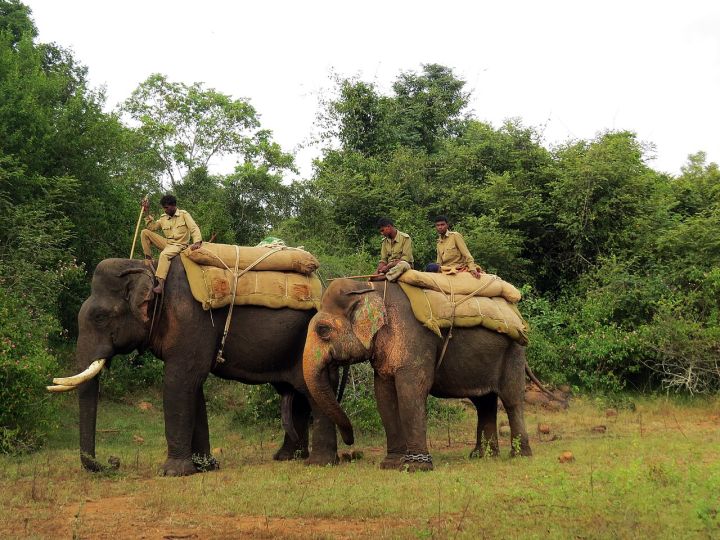
A new report released by conservation scientists indicates that the Kumki elephants have successfully lowered human‑elephant conflicts by 70% in the area where they are managed. The study, based on incident data collected over the past five years, compares conflict rates before and after the implementation of a comprehensive monitoring and relocation program.
The Kumki group, named after the local Kumki forest reserve, consists of several herds that have been closely tracked using GPS collars and community reporting systems. By providing alternative food sources and safe corridors, the program has minimized encounters between the elephants and nearby villages.
Local authorities have also increased community outreach, educating residents on how to respond during an elephant sighting and encouraging the use of deterrents such as chili and electric fencing. These combined efforts have led to a marked decline in crop damage and property loss.
Experts say the success of the Kumki initiative offers a model that could be replicated in other elephant‑habitat regions across India, balancing wildlife conservation with human safety.
The Kumki group, named after the local Kumki forest reserve, consists of several herds that have been closely tracked using GPS collars and community reporting systems. By providing alternative food sources and safe corridors, the program has minimized encounters between the elephants and nearby villages.
Local authorities have also increased community outreach, educating residents on how to respond during an elephant sighting and encouraging the use of deterrents such as chili and electric fencing. These combined efforts have led to a marked decline in crop damage and property loss.
Experts say the success of the Kumki initiative offers a model that could be replicated in other elephant‑habitat regions across India, balancing wildlife conservation with human safety.