
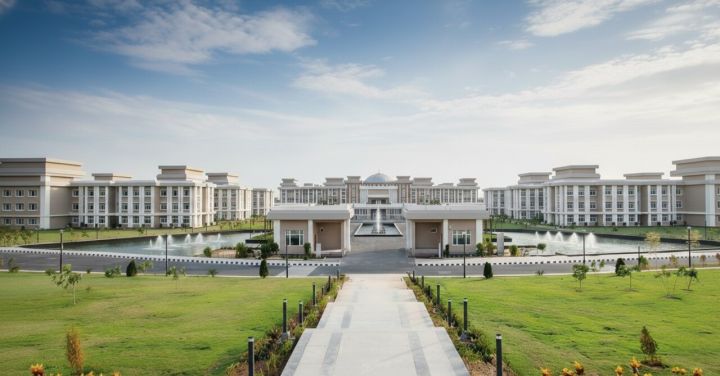
📷 Image: Wikimedia Commons / Flashthomsom
Local
Jharkhand High Court Rejects Divorce Petition Over Wife’s Mental Illness
✍️ The Indian Express
🗓 24 Jul 2026, 08:06 AM
👁 65
The Jharkhand High Court dismissed a divorce petition filed by a husband, ruling that a spouse’s mental illness does not constitute a valid ground for divorce.
The Jharkhand High Court denied a divorce petition filed by a husband who claimed his wife’s mental illness as the reason for separation. The court held that a spouse’s health condition, even if severe, is not a permissible ground for divorce under the Indian legal framework. It emphasized that mental illness does not automatically render a marriage void or voidable.
In its judgment, the court pointed out that the law requires more substantial grounds such as cruelty, adultery, or desertion for a divorce to be granted. The petition was dismissed with a note that the parties should seek counseling and legal remedies other than divorce. The decision underscores the court’s stance that personal health issues are not sufficient to dissolve a marital bond.
Legal experts note that this ruling aligns with precedent where courts have consistently ruled that mental health alone does not justify dissolution of marriage. The judgment may prompt couples to explore alternative dispute resolution mechanisms before filing for divorce.
The case is a reminder that the judiciary treats mental health with sensitivity but does not equate it with marital dissolution. The court’s decision is expected to influence similar petitions in the region.
In its judgment, the court pointed out that the law requires more substantial grounds such as cruelty, adultery, or desertion for a divorce to be granted. The petition was dismissed with a note that the parties should seek counseling and legal remedies other than divorce. The decision underscores the court’s stance that personal health issues are not sufficient to dissolve a marital bond.
Legal experts note that this ruling aligns with precedent where courts have consistently ruled that mental health alone does not justify dissolution of marriage. The judgment may prompt couples to explore alternative dispute resolution mechanisms before filing for divorce.
The case is a reminder that the judiciary treats mental health with sensitivity but does not equate it with marital dissolution. The court’s decision is expected to influence similar petitions in the region.