
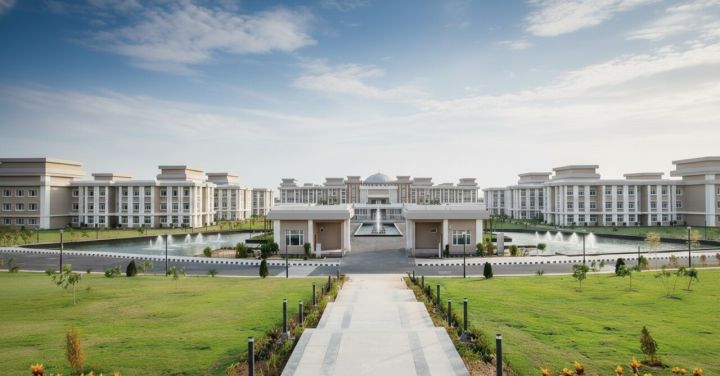
📷 Image: Wikimedia Commons / Flashthomsom
National
Jharkhand High Court Bars Gharjamai Practice, Affirms Santhal Women’s Rights
✍️ India Today
🗓 25 Nov 2026, 02:32 AM
👁 29
The Jharkhand High Court has struck down the traditional gharjamai practice, ruling in favour of Santhal women’s legal rights.
The Jharkhand High Court delivered a landmark judgment rejecting the gharjamai custom, a practice where a married man lives with his in‑laws, often at the expense of the wife’s property rights. The bench held that the custom contravenes statutory provisions protecting women’s inheritance and marital rights.
The decision specifically addressed the rights of Santhal women, a tribal community in the state, affirming that they are entitled to equal ownership and control over ancestral assets. By dismissing the customary claim, the court reinforced the applicability of national gender‑equality laws to tribal customs.
Legal experts noted that the ruling sets a precedent for other tribal and rural jurisdictions where similar practices persist. The judgment also underscores the judiciary’s role in harmonising customary law with constitutional guarantees of gender justice.
The court’s order is expected to influence ongoing disputes over land and property within Santhal families across Jharkhand, prompting community leaders to reassess traditional norms.