
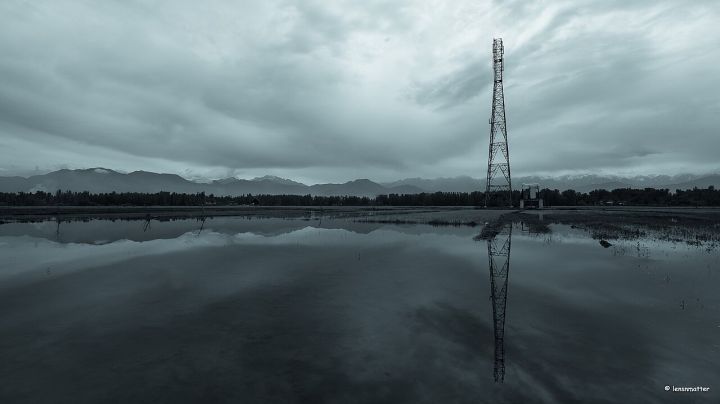
📷 Image: Wikimedia Commons / lensnmatter
Weather
India’s Monsoon Breaks Pattern for Third Time in 11 Years, Uttar Pradesh Sees 19% Drop in Rainfall
✍️ Bhaskar English
🗓 14 Jul 2026, 12:19 PM
👁 46
The latest monsoon season has deviated from historical norms, with Uttar Pradesh recording a 19% reduction in rainfall and Madhya Pradesh a 3% decline, marking the third such anomaly in the past eleven years.
The Indian Meteorological Department (IMD) has reported that the current monsoon season has broken its long‑standing pattern for the third time in eleven years. Uttar Pradesh, a key agricultural state, experienced a 19% drop in rainfall compared to the 2010‑2021 average, while Madhya Pradesh saw a 3% decline.
Such a deviation raises concerns for farmers across the plains, as reduced monsoon rainfall can affect crop yields and water availability for irrigation. The IMD notes that similar anomalies occurred in 2011 and 2017, prompting increased monitoring of rainfall distribution.
Experts warn that persistent shortfalls could strain the nation’s water resources, especially in regions already grappling with drought conditions. The government has urged state authorities to prepare contingency plans and to accelerate water‑conservation measures.
The monsoon remains a critical driver of India’s economy, influencing agriculture, hydropower, and the overall weather pattern. Continued monitoring and adaptive strategies are essential to mitigate the impact of such irregularities.
Such a deviation raises concerns for farmers across the plains, as reduced monsoon rainfall can affect crop yields and water availability for irrigation. The IMD notes that similar anomalies occurred in 2011 and 2017, prompting increased monitoring of rainfall distribution.
Experts warn that persistent shortfalls could strain the nation’s water resources, especially in regions already grappling with drought conditions. The government has urged state authorities to prepare contingency plans and to accelerate water‑conservation measures.
The monsoon remains a critical driver of India’s economy, influencing agriculture, hydropower, and the overall weather pattern. Continued monitoring and adaptive strategies are essential to mitigate the impact of such irregularities.