
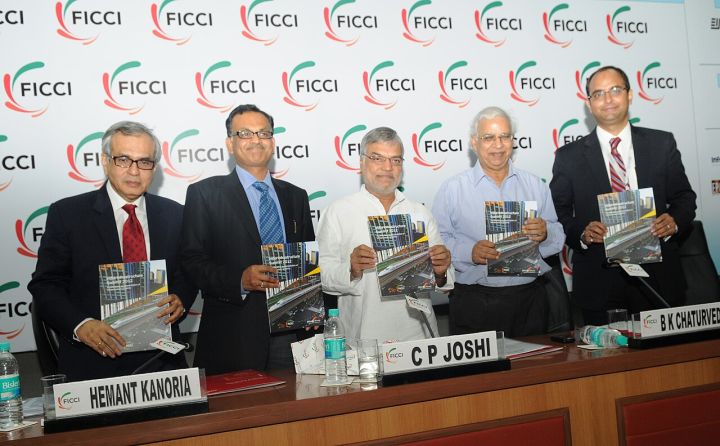
📷 Image: Wikimedia Commons / Ministry of Petroleum and Natural Gas
Business
India's Infrastructure Gap: Rs 168‑172 trillion Needed by FY 2031, Report Finds
✍️ Asianet Newsable
🗓 20 Sep 2026, 09:16 AM
👁 12
A recent report estimates that India will require between Rs 168 trillion and Rs 172 trillion to meet its infrastructure targets by the fiscal year 2031.
The latest analysis released by a research firm projects that India will need to mobilise between Rs 168 trillion and Rs 172 trillion to fund its infrastructure agenda through the fiscal year 2031. The estimate covers the cumulative capital required across sectors such as highways, railways, ports, airports, power generation and urban utilities.
According to the report, the financing gap arises from the scale of planned projects, which aim to close the current shortfall in road kilometres, expand high‑speed rail networks, modernise ports and increase renewable‑energy capacity. The study underscores that existing public‑sector outlays will fall short of the total requirement.
To bridge the gap, the report suggests a mix of funding sources, including higher public investment, greater private‑sector participation through public‑private partnerships, and increased foreign direct investment in infrastructure bonds. It also highlights the potential role of multilateral development banks and sovereign green bonds.
Policy makers are urged to streamline approval processes, improve the fiscal environment for investors and consider innovative financing mechanisms to attract the needed capital. The findings come as the government prepares its next budget, where infrastructure spending is expected to remain a top priority.
According to the report, the financing gap arises from the scale of planned projects, which aim to close the current shortfall in road kilometres, expand high‑speed rail networks, modernise ports and increase renewable‑energy capacity. The study underscores that existing public‑sector outlays will fall short of the total requirement.
To bridge the gap, the report suggests a mix of funding sources, including higher public investment, greater private‑sector participation through public‑private partnerships, and increased foreign direct investment in infrastructure bonds. It also highlights the potential role of multilateral development banks and sovereign green bonds.
Policy makers are urged to streamline approval processes, improve the fiscal environment for investors and consider innovative financing mechanisms to attract the needed capital. The findings come as the government prepares its next budget, where infrastructure spending is expected to remain a top priority.