
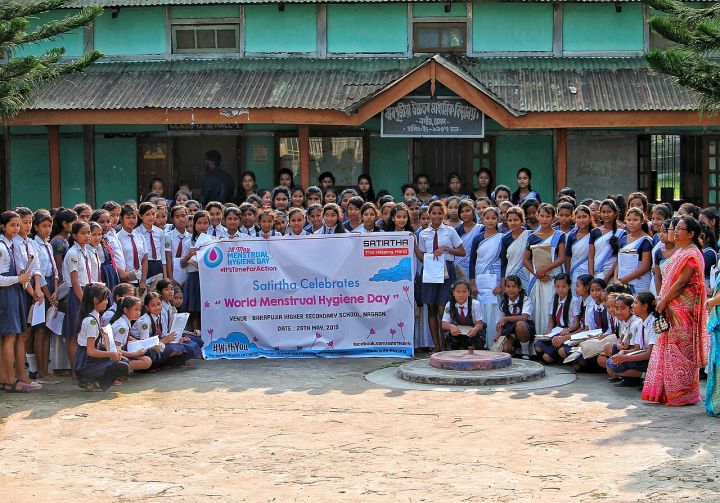
📷 Image: Wikimedia Commons / Satirtha- The Helping Hand
Business
India's Hygiene Market Set to Hit $20 Billion Amid Rising Births and Aging Population
✍️ NDTV Top
🗓 01 Aug 2026, 12:37 PM
👁 40
India's hygiene sector is poised to reach a $20 billion valuation, driven by an annual 25 million births and a growing elderly demographic demanding adult-care products.
India's hygiene sector is projected to reach a $20 billion valuation by 2025, according to market analysts. The growth is largely fueled by two demographic trends: an annual birth cohort of 25 million babies and a rapidly expanding elderly population that requires adult‑care products.
The baby‑care segment, which includes diapers, wipes and baby lotions, is witnessing a surge in demand as parents seek hygienic and safe products for their newborns. Brands are innovating with eco‑friendly materials and higher quality standards to capture this market.
Simultaneously, the adult‑care market is growing as more Indians live beyond 60 years. Products such as adult diapers, skin care for aging skin, and hygiene kits for seniors are becoming essential, prompting manufacturers to diversify their portfolios.
The combined demand is attracting investment from both domestic and international players. Start‑ups and established FMCG companies are expanding production capacities and exploring new distribution channels to meet the rising consumer needs.
The baby‑care segment, which includes diapers, wipes and baby lotions, is witnessing a surge in demand as parents seek hygienic and safe products for their newborns. Brands are innovating with eco‑friendly materials and higher quality standards to capture this market.
Simultaneously, the adult‑care market is growing as more Indians live beyond 60 years. Products such as adult diapers, skin care for aging skin, and hygiene kits for seniors are becoming essential, prompting manufacturers to diversify their portfolios.
The combined demand is attracting investment from both domestic and international players. Start‑ups and established FMCG companies are expanding production capacities and exploring new distribution channels to meet the rising consumer needs.