📷 Image: Wikimedia Commons / Template:Gulrez Siddiqui
Politics
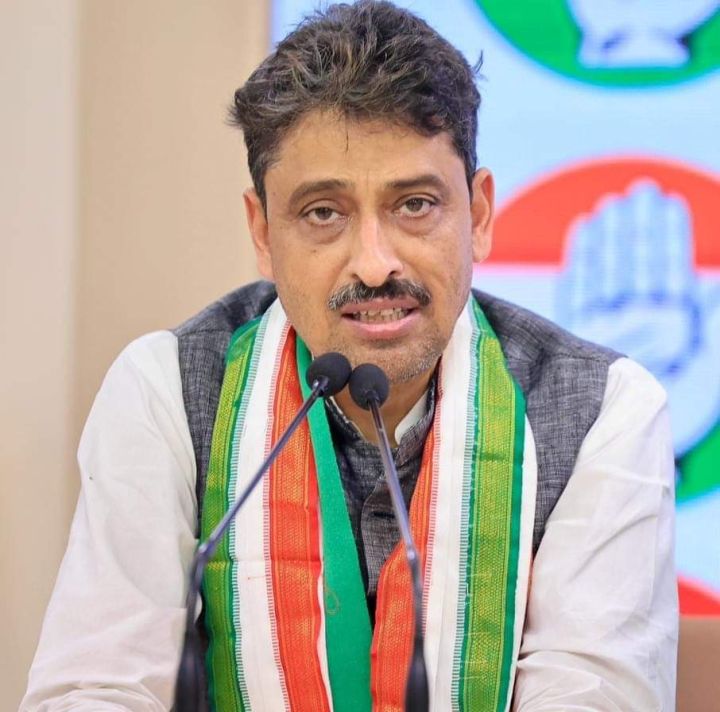
Imran Masood’s elevation raises questions on Congress‑SP alliance in Uttar Pradesh
✍️ The Times of India
🗓 06 Oct 2026, 11:01 AM
👁 20
The Congress party’s decision to elevate Muslim leader Imran Masood is seen as a test for its alliance with the Samajwadi Party in Uttar Pradesh.
The Congress party has announced the elevation of Imran Masood, a prominent Muslim figure, within its organisational structure in Uttar Pradesh. The move comes at a time when the party is in a coalition with the Samajwadi Party (SP) in the state. Political observers suggest that the decision could be interpreted as a targeted outreach to the Muslim electorate, or as a signal to SP leader Akhilesh Yadav. Analysts warn that the elevation may strain the Congress‑SP partnership if it is perceived as an attempt to alter the balance of power within the alliance. Both parties have not commented publicly on the strategic implications of the appointment.
The elevation is expected to influence the upcoming electoral calculations in the state, where the Muslim vote is a decisive factor. While the Congress aims to broaden its appeal among minority communities, the SP, which also relies on Muslim support, will need to assess how the development aligns with its own political agenda. The situation underscores the delicate nature of coalition politics in Uttar Pradesh, where any shift in leadership roles can have ripple effects across the alliance.
Stakeholders, including senior leaders of both parties, are likely to engage in internal discussions to manage any potential friction. The outcome of these talks could shape the alliance’s strategy ahead of the next state elections, determining whether the partnership remains cohesive or faces further challenges.
The elevation is expected to influence the upcoming electoral calculations in the state, where the Muslim vote is a decisive factor. While the Congress aims to broaden its appeal among minority communities, the SP, which also relies on Muslim support, will need to assess how the development aligns with its own political agenda. The situation underscores the delicate nature of coalition politics in Uttar Pradesh, where any shift in leadership roles can have ripple effects across the alliance.
Stakeholders, including senior leaders of both parties, are likely to engage in internal discussions to manage any potential friction. The outcome of these talks could shape the alliance’s strategy ahead of the next state elections, determining whether the partnership remains cohesive or faces further challenges.