
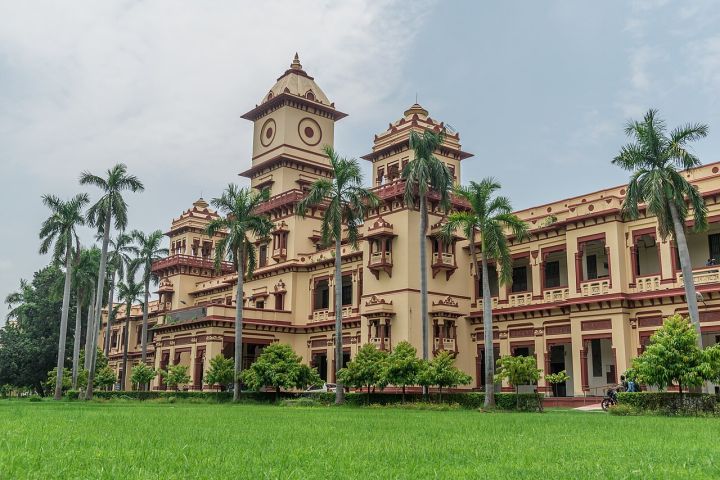
📷 Image: Wikimedia Commons / Kuber Patel, Rosehub
Technology
IIT‑BHU experts propose AI system to track pollution in India's smart cities
✍️ Bhaskar English
🗓 10 Nov 2026, 08:32 PM
👁 16
Researchers from IIT‑BHU outlined an artificial‑intelligence framework to monitor air and water quality in upcoming smart cities, stressing the need to safeguard rivers, lakes and green belts.
A team of scientists at the Indian Institute of Technology, Banaras Hindu University (IIT‑BHU) has detailed a proposal to embed artificial‑intelligence tools within the infrastructure of future smart cities. The system would continuously analyse data from sensors placed in rivers, lakes, parks and urban air‑quality stations, generating real‑time alerts for municipal authorities.
According to the experts, the AI platform can identify pollution spikes, predict trends and recommend remedial actions, thereby improving the effectiveness of existing environmental regulations. They emphasised that technology alone cannot solve the problem; protecting natural water bodies and green spaces must accompany digital monitoring.
The researchers highlighted that the model is designed to be scalable across Indian cities, allowing local governments to integrate it with ongoing smart‑city initiatives. They also called for collaborative funding from central and state agencies to pilot the solution in select urban corridors.
If adopted, the AI‑driven approach could provide city planners with actionable insights, reduce health risks linked to poor air and water quality, and support India's broader sustainability goals.