
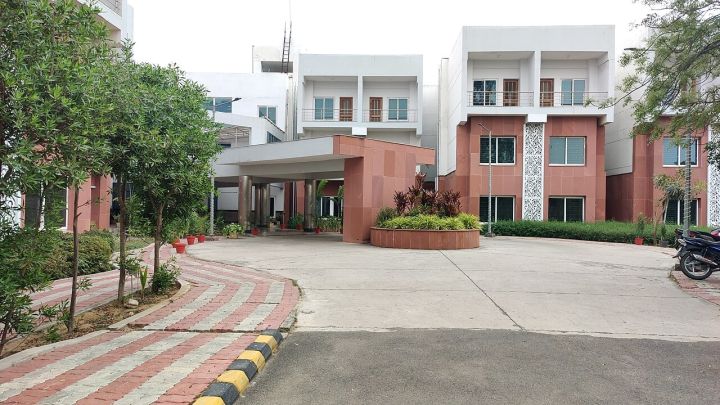
📷 Image: Wikimedia Commons / Ravi Dwivedi
Technology
IIT Patna Hosts India‑Sri Lanka Workshop on Geospatial Tech for Sustainable Urban Development
✍️ Amar Ujala · Patna
🗓 17 Nov 2026, 06:28 PM
👁 26
IIT Patna has launched a five‑day India‑Sri Lanka workshop to explore how geospatial technology can make urban development more sustainable and address the challenges of rapid urbanisation.
IIT Patna has inaugurated a five‑day workshop in collaboration with Sri Lanka, aimed at harnessing geospatial technology for sustainable urban development. The event, which began this week, brings together experts from both countries to discuss how advanced mapping and data analytics can help cities manage growth more responsibly.
Participants will examine case studies of urban challenges such as traffic congestion, land use planning, and environmental monitoring. By sharing best practices and tools, the workshop seeks to create a framework that city planners can adopt to reduce ecological footprints while improving livability.
The program includes panel discussions, hands‑on demonstrations, and a joint research agenda. Delegates from Indian and Sri Lankan universities, municipal authorities, and technology firms are expected to collaborate on projects that could inform policy and investment decisions.
Organisers anticipate that the knowledge exchange will lead to concrete policy recommendations and pilot projects that demonstrate the practical benefits of geospatial solutions in urban settings.