
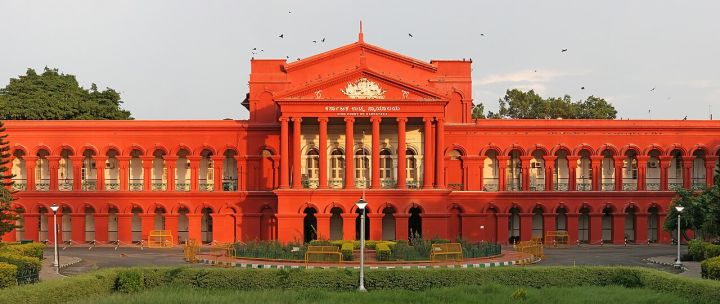
📷 Image: Wikimedia Commons / Muhammad Mahdi Karim/ Augustus Binu
Education
High Court orders government to decide 70,000 teachers' salary hike within 4 weeks
✍️ Amar Ujala · Bhopal
🗓 24 Sep 2026, 08:01 PM
👁 9
The court gave the state government four weeks to act on the pending seniority, salary and service‑benefit issues of about 70,000 teachers after the Supreme Court dismissed their special leave petition.
The High Court has set a four‑week deadline for the government to implement a decision on the pending service matters of roughly 70,000 teachers. The case concerns seniority, salary increments and other employment benefits that were left unresolved after the Supreme Court rejected a special leave petition filed by the teachers' association.
The court’s order follows a series of legal challenges by the teachers, who argue that delayed promotions and pay revisions have caused a substantial arrears liability for the government. By fixing a clear timeline, the judiciary aims to compel the executive to either approve the proposed salary hike or provide a detailed justification for any further postponement.
If the government complies within the stipulated period, the teachers could receive back‑pay amounting to millions of rupees, along with a regularised pay structure. Failure to meet the deadline may invite contempt proceedings and could lead to further judicial intervention.
The matter highlights the broader strain on the public education sector, where staffing shortages and compensation disputes have become recurring issues across several states. Stakeholders are watching the outcome closely, as it may set a precedent for similar cases involving large numbers of government employees.
The High Court’s decision underscores the judiciary’s role in ensuring timely resolution of employment disputes that affect both the workforce and the delivery of public services.
The court’s order follows a series of legal challenges by the teachers, who argue that delayed promotions and pay revisions have caused a substantial arrears liability for the government. By fixing a clear timeline, the judiciary aims to compel the executive to either approve the proposed salary hike or provide a detailed justification for any further postponement.
If the government complies within the stipulated period, the teachers could receive back‑pay amounting to millions of rupees, along with a regularised pay structure. Failure to meet the deadline may invite contempt proceedings and could lead to further judicial intervention.
The matter highlights the broader strain on the public education sector, where staffing shortages and compensation disputes have become recurring issues across several states. Stakeholders are watching the outcome closely, as it may set a precedent for similar cases involving large numbers of government employees.
The High Court’s decision underscores the judiciary’s role in ensuring timely resolution of employment disputes that affect both the workforce and the delivery of public services.