
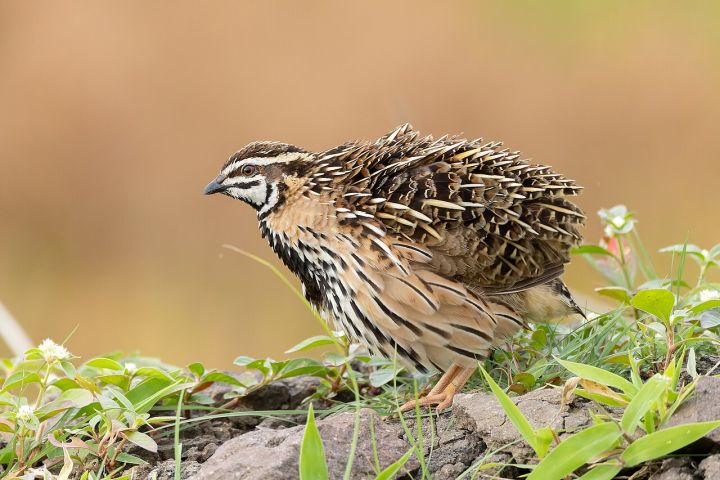
📷 Image: Wikimedia Commons / Tisha Mukherjee
Science
Glaw Lake Declared India's 101st Ramsar Wetland Site
✍️ Vision IAS
🗓 05 Aug 2026, 11:34 AM
👁 45
Glaw Lake in Arunachal Pradesh has been officially recognized as India's 101st Ramsar wetland, underscoring its ecological importance.
The Ministry of Environment, Forest and Climate Change announced on Thursday that Glaw Lake, situated in Upper Siang district of Arunachal Pradesh, has been designated as India's 101st Ramsar site. The Ramsar Convention, an international treaty for wetland conservation, recognizes wetlands of global ecological significance.
The designation brings several benefits, including enhanced protection measures, potential funding for conservation projects, and increased awareness among local communities and tourists. It also aligns with India’s commitments under the Convention on Biological Diversity.
Glaw Lake is known for its pristine waters, diverse aquatic flora and fauna, and serves as a critical habitat for migratory birds and endemic species. The lake’s unique ecosystem supports a range of biodiversity that is vital for regional ecological balance.
Local authorities and environmental NGOs have outlined plans to monitor water quality, regulate tourism, and engage indigenous communities in stewardship activities to ensure the lake’s long‑term health.
The designation brings several benefits, including enhanced protection measures, potential funding for conservation projects, and increased awareness among local communities and tourists. It also aligns with India’s commitments under the Convention on Biological Diversity.
Glaw Lake is known for its pristine waters, diverse aquatic flora and fauna, and serves as a critical habitat for migratory birds and endemic species. The lake’s unique ecosystem supports a range of biodiversity that is vital for regional ecological balance.
Local authorities and environmental NGOs have outlined plans to monitor water quality, regulate tourism, and engage indigenous communities in stewardship activities to ensure the lake’s long‑term health.