
📷 Image: Wikimedia Commons / Unknown authorUnknown author
Politics
Former Mizoram CM Zoramthanga Calls AFSPA a ‘Terrible’ Law
✍️ The Times of India
🗓 21 Aug 2026, 07:33 AM
👁 33
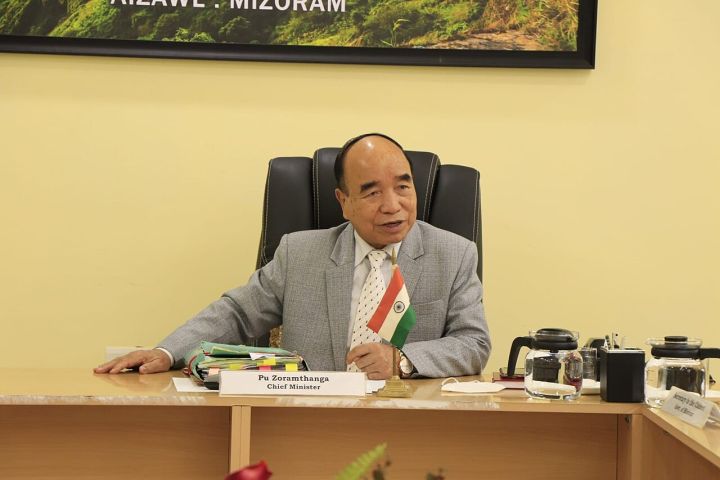
Former Mizoram chief minister Zoramthanga described the Armed Forces (Special Powers) Act as a terrible law, reigniting debate over its continued use.
Former Mizoram chief minister Zoramthanga said the Armed Forces (Special Powers) Act (AFSPA) is a "terrible" law, expressing his disapproval of the legislation that grants special powers to the armed forces in certain regions. His remarks were made in a public statement to the media, where he urged a re‑examination of the act's relevance in today's context.
AFSPA, enacted in 1958, has long been a subject of controversy, with critics arguing that it enables human rights violations while supporters claim it is essential for maintaining internal security in insurgency‑affected areas. The law allows security personnel to arrest without warrant and to use force, even lethal, under specific circumstances.
Zoramthanga's criticism adds to the chorus of voices from human‑rights groups, opposition politicians and some civil‑society organisations that have called for the act's repeal or amendment. While the central government has defended the law as necessary for national security, the former chief minister's statement may intensify calls for parliamentary scrutiny.
The former leader did not propose a specific alternative but emphasized the need for a legal framework that balances security concerns with the protection of civil liberties. His comments are likely to influence ongoing debates in Mizoram and at the national level about the future of AFSPA.
As the discussion unfolds, stakeholders are expected to monitor any official response from the Ministry of Home Affairs, which oversees the act's implementation across the country.
AFSPA, enacted in 1958, has long been a subject of controversy, with critics arguing that it enables human rights violations while supporters claim it is essential for maintaining internal security in insurgency‑affected areas. The law allows security personnel to arrest without warrant and to use force, even lethal, under specific circumstances.
Zoramthanga's criticism adds to the chorus of voices from human‑rights groups, opposition politicians and some civil‑society organisations that have called for the act's repeal or amendment. While the central government has defended the law as necessary for national security, the former chief minister's statement may intensify calls for parliamentary scrutiny.
The former leader did not propose a specific alternative but emphasized the need for a legal framework that balances security concerns with the protection of civil liberties. His comments are likely to influence ongoing debates in Mizoram and at the national level about the future of AFSPA.
As the discussion unfolds, stakeholders are expected to monitor any official response from the Ministry of Home Affairs, which oversees the act's implementation across the country.