
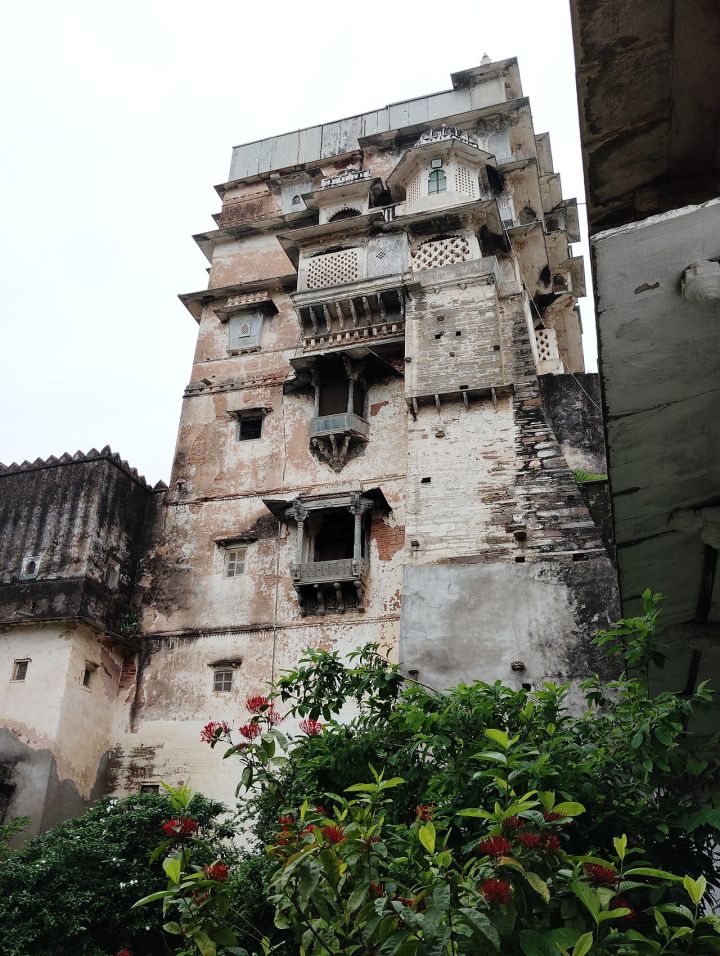
📷 Image: Wikimedia Commons / Nizil Shah
Local
Five Dungarpur Daughters Carry Father's Pyre, Signaling Shift in Social Norms
✍️ Amar Ujala · Rajasthan
🗓 29 Nov 2026, 09:31 PM
👁 21
In Dungarpur, Rajasthan, five daughters lifted their 87‑year‑old father’s bier and performed his cremation, highlighting evolving attitudes toward gender roles.
Recent rites in Dungarpur, Rajasthan, saw five sisters shoulder the bier of their 87‑year‑old father, Premji Panchal, and conduct his cremation themselves. The act, traditionally performed by male relatives, was carried out without external assistance, underscoring the daughters' determination to honor their parent.
The ceremony drew attention because it challenges long‑standing customs that often restrict women from handling funeral pyres. Local observers noted that the daughters' involvement reflects a broader, gradual shift in societal expectations regarding women's participation in rites of passage.
Residents of the town expressed admiration for the family’s resolve, describing the gesture as a powerful statement of respect and gender equality within the community.
Authorities did not intervene, allowing the family to follow their chosen rites, which aligns with constitutional guarantees of personal liberty in religious and cultural practices.
The event adds to a growing list of instances across India where women are taking active roles in rituals previously dominated by men, signaling changing cultural dynamics in rural settings.