
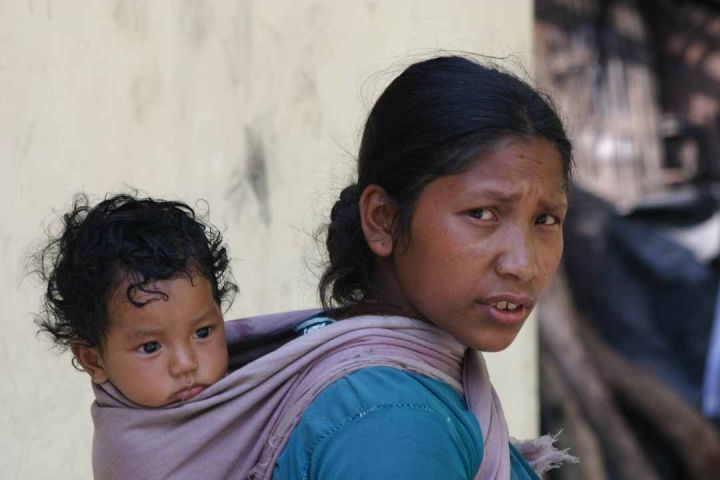
📷 Image: Wikimedia Commons / Steve Evans from Bangalore, India
Politics
Few Complaints Reach Sikkim Human Rights Commission Despite Its Statutory Authority
✍️ India Today NE
🗓 25 Aug 2026, 08:37 PM
👁 35
The Sikkim State Human Rights Commission is receiving a low volume of complaints, even though it is empowered by law to investigate human‑rights violations.
The Sikkim State Human Rights Commission, created under the Protection of Human Rights Act, has the mandate to examine alleged violations of civil liberties across the state. Recent observations by the commission indicate that the number of grievances lodged by citizens remains minimal, raising questions about public awareness and accessibility of the body.
Commission officials attribute the sparse inflow of complaints to a lack of outreach and limited awareness among the populace about the commission's role and procedures. They note that many potential victims may be unaware of the formal channel for redress, opting instead for informal or local mechanisms.
Despite the low complaint rate, the commission retains full statutory powers to summon officials, request documents, and recommend remedial action. Authorities in Gangtok have pledged to enhance public information campaigns and simplify filing processes to encourage greater utilization of the commission's services.
The situation underscores a broader challenge for human‑rights institutions in smaller states, where limited resources and low visibility can impede their effectiveness, even when legal frameworks are robust.
Commission officials attribute the sparse inflow of complaints to a lack of outreach and limited awareness among the populace about the commission's role and procedures. They note that many potential victims may be unaware of the formal channel for redress, opting instead for informal or local mechanisms.
Despite the low complaint rate, the commission retains full statutory powers to summon officials, request documents, and recommend remedial action. Authorities in Gangtok have pledged to enhance public information campaigns and simplify filing processes to encourage greater utilization of the commission's services.
The situation underscores a broader challenge for human‑rights institutions in smaller states, where limited resources and low visibility can impede their effectiveness, even when legal frameworks are robust.