
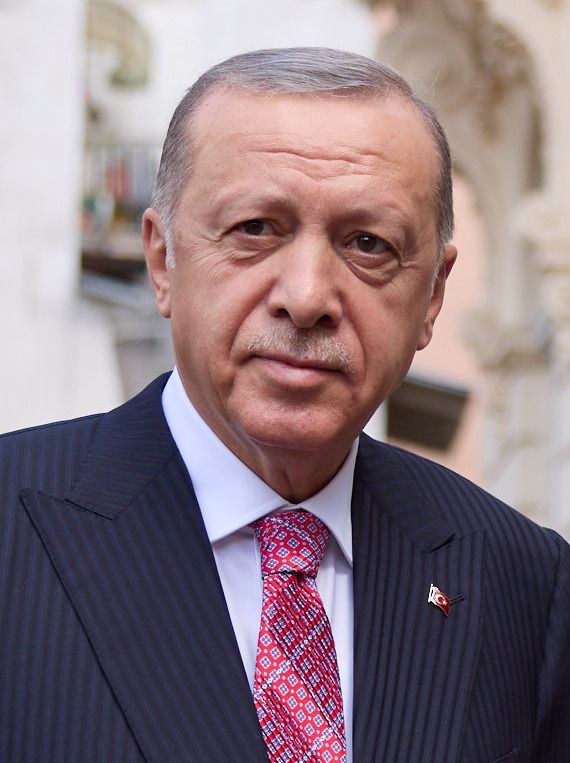
📷 Image: Wikimedia Commons / PRESIDENT OF UKRAINE VOLODYMYR ZELENSKYY Official
International
Erdogan Labels Gaza Conflict ‘Ecocide’ at COP31, Israel Denies Genocide Claim
✍️ NDTV Top
🗓 12 Nov 2026, 06:23 AM
👁 8
Turkey’s President Recep Tayyip Erdogan described the war in Gaza as an ecocide during the COP31 summit, prompting Israel to reject a UN‑backed panel’s genocide finding and accuse the panel of antisemitism.
At the United Nations Climate Change Conference (COP31), Turkish President Recep Tayyip Erdogan used his platform to describe the ongoing war in Gaza as an "ecocide," a term that frames the conflict as a crime against the environment and humanity.
Erdogan’s remarks came as the summit gathered delegates from around the world to discuss climate action, but his statement shifted attention to the humanitarian crisis in Gaza and the legal accusations surrounding it.
Israel responded swiftly, rejecting the characterization of its military actions as genocide. The Israeli government also accused the UN‑backed panel of independent experts, which last year concluded that Israel had committed genocide in Gaza, of antisemitism.
The panel’s finding, issued by a group of scholars and legal experts, has been a flashpoint in international discourse, with Israel maintaining that the allegations are unfounded and politically motivated.
The exchange underscores the growing intersection of environmental forums and geopolitical disputes, highlighting how climate conferences are increasingly becoming stages for broader human rights debates.