
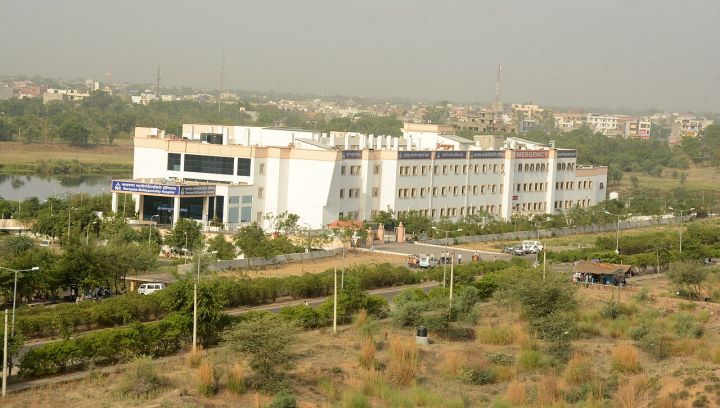
📷 Image: Wikimedia Commons / GeorgeWilliams21
Health
Doctors Implant Pacemaker in 17-Hour-Old 1.5‑kg Newborn in Jaipur, Saving Its Life
✍️ Amar Ujala · Jaipur
🗓 19 Nov 2026, 06:31 PM
👁 24
A team of doctors in Jaipur successfully implanted a pacemaker in a 17‑hour‑old newborn weighing 1.5 kg after a severe heart defect was identified during pregnancy.
Doctors at a Jaipur hospital detected a serious congenital heart disorder in a fetus during routine prenatal scans. The condition, which threatened the newborn's survival, prompted the medical team to prepare for an emergency intervention immediately after birth.
At 17 hours old and weighing just 1.5 kilograms, the infant was taken to the operating theatre where pediatric cardiologists performed a minimally invasive surgery to implant a pacemaker. The device was placed in the baby's abdomen to regulate its heartbeat and ensure adequate circulation.
Post‑operative monitoring showed a marked improvement in the baby's cardiac rhythm and overall health. Physicians said the successful implantation offers the child a chance at normal growth and development, while also highlighting advances in neonatal cardiac care in Rajasthan.
The hospital plans to continue close follow‑up and will share the case details with other medical centers to improve outcomes for similar high‑risk newborns.