
📷 Image: Wikimedia Commons / Neelabh2007
Religion
Devotees Perform Pind Daan at Punpun Ghats Before Gaya Pilgrimage, First by Lord Rama
✍️ Amar Ujala · Bihar
🗓 21 Sep 2026, 08:01 AM
👁 11
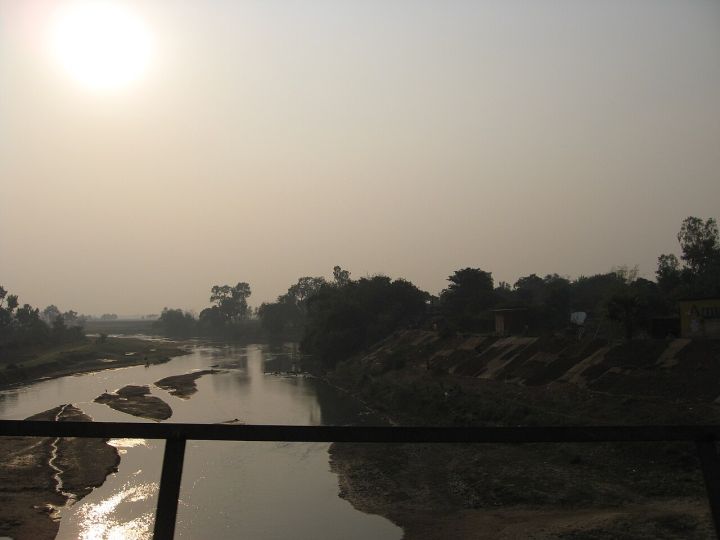
Pilgrims heading to Gaya first offer pind daan at the Punpun river ghats near Patna, a rite said to have been performed originally by Lord Rama for his ancestors.
The Punpun river banks, located just south of Patna, have become a mandatory stop for many Hindus who intend to perform ancestor rites in Gaya. According to long‑standing religious belief, Lord Rama, accompanied by his wife Sita, offered the first pind‑daan at this site for his forebears before proceeding to the more famous shrine in Gaya.
Devotees gather at the ghats during the annual Pitru Paksha period, bringing rice, sesame seeds and water for the ritual. Priests conduct the ceremonies, reciting Vedic mantras and guiding participants through the traditional offerings.
The practice underscores the theological view that the Punpun ghats serve as the “first gateway to moksha,” a spiritual portal that prepares the soul for the final rites at Gaya. Local authorities have noted a steady increase in footfall, prompting modest improvements to the riverbank facilities to accommodate the growing number of pilgrims.
Scholars of Hindu customs point out that the narrative links the two sites—Punpun and Gaya—into a single pilgrimage circuit, reinforcing the belief that performing pind‑daan at both locations ensures complete fulfillment of ancestral duties.
Devotees gather at the ghats during the annual Pitru Paksha period, bringing rice, sesame seeds and water for the ritual. Priests conduct the ceremonies, reciting Vedic mantras and guiding participants through the traditional offerings.
The practice underscores the theological view that the Punpun ghats serve as the “first gateway to moksha,” a spiritual portal that prepares the soul for the final rites at Gaya. Local authorities have noted a steady increase in footfall, prompting modest improvements to the riverbank facilities to accommodate the growing number of pilgrims.
Scholars of Hindu customs point out that the narrative links the two sites—Punpun and Gaya—into a single pilgrimage circuit, reinforcing the belief that performing pind‑daan at both locations ensures complete fulfillment of ancestral duties.