
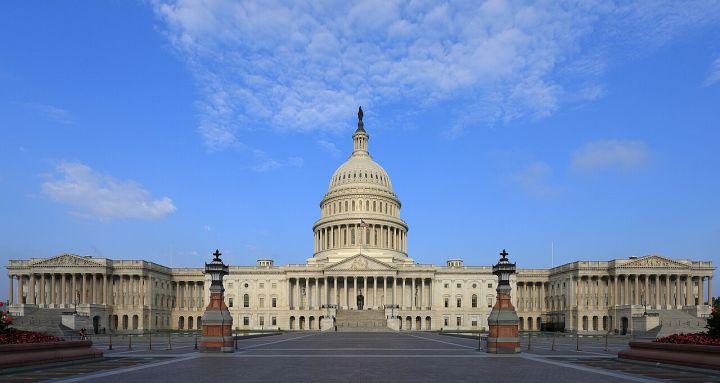
📷 Image: Wikimedia Commons / Martin Falbisoner
International
Democratic Control of U.S. Congress Heightens Tensions with Pakistan
✍️ India Today
🗓 10 Nov 2026, 04:35 AM
👁 11
The recent shift to Democratic control of the U.S. Congress is reshaping U.S.-Pakistan relations, raising concerns over regional stability. Experts warn that policy changes could intensify tensions in South Asia.
The U.S. Congress has recently come under full Democratic control, a development that is already influencing U.S. foreign policy toward Pakistan. Analysts note that the new majority is likely to reassess aid, security cooperation, and diplomatic engagement with Islamabad.
The shift has prompted concerns in Washington and New Delhi that U.S. support for Pakistan could be recalibrated, potentially affecting counterterrorism collaboration and economic assistance. A change in policy stance could also alter the balance of influence in the region, especially in relation to India.
Pakistani officials have expressed cautious optimism, stating that the U.S. will continue to engage on shared security interests. However, they also emphasize the need for a stable partnership to counter regional threats.
Observers warn that any significant policy shift could exacerbate existing tensions in South Asia, urging both sides to maintain open communication channels to avoid unintended escalations.