
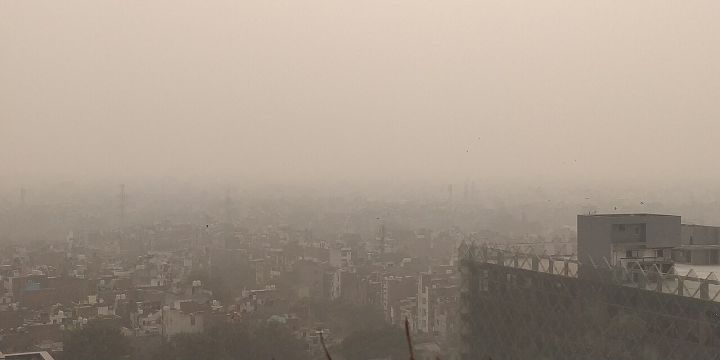
📷 Image: Wikimedia Commons / Prami.ap90
National
Delhi Bets Rs 104 Crore on Private Firms to Cut Air Pollution
✍️ NDTV Top
🗓 21 Oct 2026, 07:48 AM
👁 12
Delhi has launched a Rs 104-crore initiative to hire private companies for reducing air pollution at 40 key locations. Firms will be paid only if they achieve a minimum 20% reduction in PM2.5 and PM10 levels.
The Delhi government has introduced a performance-based contract worth Rs 104 crore aimed at significantly improving air quality in the capital. Under this new framework, private firms will be engaged to operate pollution control machinery at 40 designated locations across the city.
The payment structure for these companies is strictly linked to measurable outcomes. Firms will receive compensation only for the days when their equipment successfully achieves at least a 20% reduction in both PM2.5 and PM10 concentrations. These tiny particulate matter levels are widely recognized as the primary drivers of Delhi's hazardous air conditions.
This initiative represents a strategic shift towards leveraging private sector technology and efficiency to tackle the persistent environmental crisis. By tying financial rewards to specific quantitative targets, the administration aims to ensure that the deployed machinery delivers tangible results rather than merely being present at pollution hotspots.
The 40 locations selected for this intervention are likely to be areas with historically high pollution indices. The success of this model will be monitored closely, with the reduction in dangerous particulate matter serving as the sole metric for the companies' remuneration.