
📷 Image: Wikimedia Commons / Sumita Roy Dutta
Weather
Delhi Air Quality Deteriorates: PM 2.5 Crosses 300 in Several Areas, ITO Worst Hit
✍️ Amar Ujala · Delhi
🗓 26 Nov 2026, 07:02 PM
👁 30
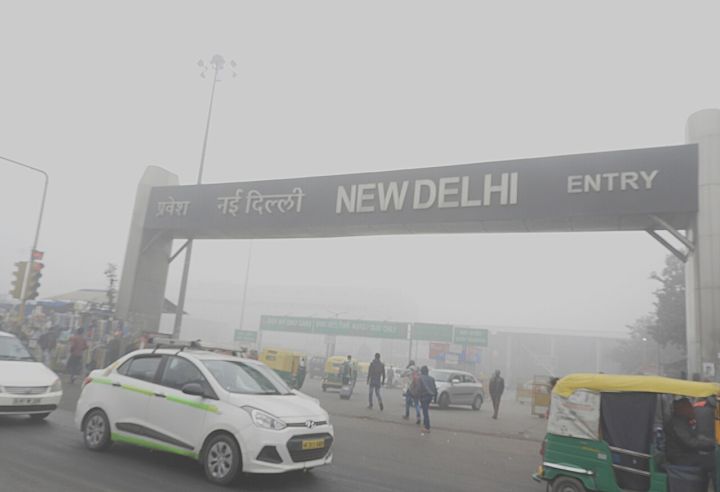
Air pollution levels in Delhi have risen sharply, with PM 2.5 concentrations exceeding 300 in multiple localities. The ITO area has been identified as the most polluted zone.
Air quality in the National Capital Territory of Delhi has deteriorated significantly, raising fresh concerns among residents and health experts. Recent data indicates that the concentration of fine particulate matter, known as PM 2.5, has crossed the 300 mark in several key localities across the city.
Among the monitored zones, the ITO (Inner Traffic Office) area has emerged as the most polluted, registering the highest levels of hazardous air pollutants. This sharp rise in toxicity marks a concerning trend in the capital's environmental health.
The surge in pollution levels has prompted calls for stricter enforcement of anti-smog measures. Residents in affected areas are advised to take necessary precautions, such as wearing masks and limiting outdoor exposure, to protect their respiratory health.
Authorities are closely monitoring the situation to understand the specific causes behind this sudden spike, which may include a combination of meteorological conditions and local emission sources.