
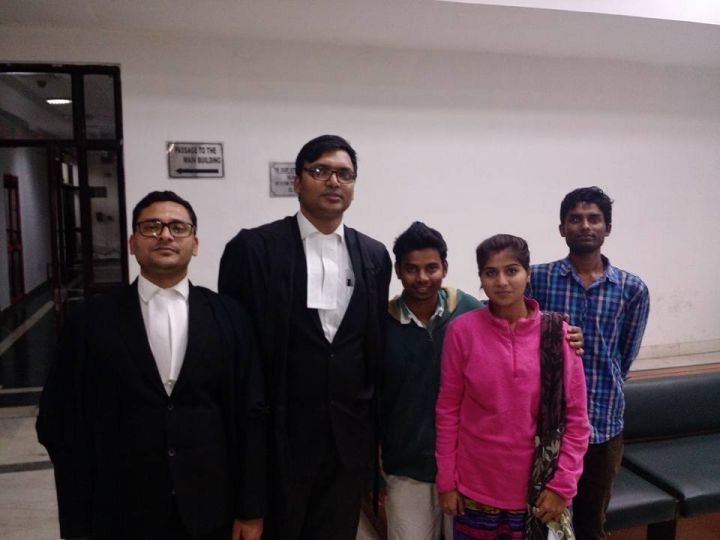
📷 Image: Wikimedia Commons / Kamlesh.legalaid
Crime
Court rules parole cannot be denied solely on Nepalese citizenship
✍️ Live Law
🗓 15 Sep 2026, 04:32 PM
👁 11
A Indian court held that a convict’s Nepalese citizenship alone is not a valid ground to refuse parole when the prisoner’s family lives in India.
The judiciary has clarified that nationality cannot be the sole criterion for denying parole. In a recent judgment, the court observed that a prisoner’s Nepalese citizenship does not, by itself, justify a refusal of parole when the inmate has close family members residing in India. The ruling underscores that parole decisions must balance legal considerations with humanitarian factors, including family ties and the welfare of dependents.
The bench emphasized that the parole system is intended to facilitate reintegration of offenders into society, and arbitrary denial based on citizenship contravenes constitutional principles of equality and non‑discrimination. It directed lower courts and prison authorities to evaluate each application on its merits, taking into account the applicant’s conduct, health, and the presence of a supportive family network in India.
Legal experts note that the decision may set a precedent for future cases involving foreign nationals incarcerated in India, ensuring that parole is not used as a punitive tool linked to a person’s origin. The judgment also calls for consistent application of parole guidelines across all jurisdictions to uphold fairness and justice.
The bench emphasized that the parole system is intended to facilitate reintegration of offenders into society, and arbitrary denial based on citizenship contravenes constitutional principles of equality and non‑discrimination. It directed lower courts and prison authorities to evaluate each application on its merits, taking into account the applicant’s conduct, health, and the presence of a supportive family network in India.
Legal experts note that the decision may set a precedent for future cases involving foreign nationals incarcerated in India, ensuring that parole is not used as a punitive tool linked to a person’s origin. The judgment also calls for consistent application of parole guidelines across all jurisdictions to uphold fairness and justice.