
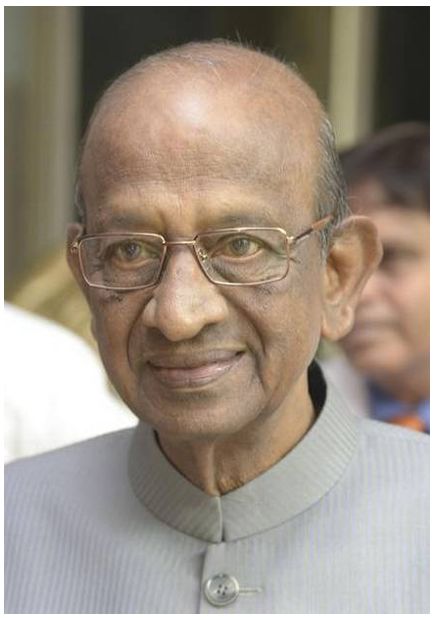
📷 Image: Wikimedia Commons / Sridhar Elangovan
Education
Chief Justice says equal opportunities for Meghalaya’s tribal children essential for nation‑building
✍️ Hub News
🗓 27 Nov 2026, 02:03 PM
👁 9
The Chief Justice emphasized that providing equal opportunities to tribal children in Meghalaya is crucial for the country's development.
New Delhi – In a recent statement, the Chief Justice highlighted the importance of ensuring that tribal children in Meghalaya receive the same educational and developmental opportunities as their peers across India. He argued that such inclusivity is not merely a social imperative but a foundational element for nation‑building, as it harnesses the potential of all sections of society.
The Chief Justice underscored that disparities in access to quality schooling, health services, and skill‑building programs hinder the full participation of tribal youth in the country's economic growth. He called on both central and state governments to strengthen policies that bridge these gaps, citing the need for targeted scholarships, infrastructure upgrades in remote areas, and culturally sensitive curricula.
While no specific policy measures were announced, the remarks have reignited discussions among policymakers and civil‑society groups about expanding existing schemes such as the Tribal Sub‑Plan and the Right to Education Act to better serve Meghalaya's tribal population. Observers note that the Chief Justice’s intervention could add momentum to ongoing efforts to uplift marginalized communities.
The statement arrives at a time when the Indian judiciary is increasingly vocal on issues of social equity, reflecting a broader trend of judicial activism aimed at safeguarding constitutional guarantees for disadvantaged groups.
Stakeholders are expected to convene in the coming weeks to chart actionable steps, with the Chief Justice urging swift implementation to ensure that the promise of equal opportunity translates into tangible outcomes for Meghalaya’s tribal children.