
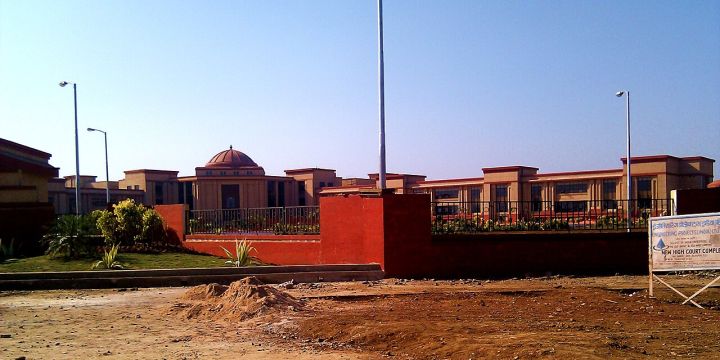
📷 Image: Wikimedia Commons / Amiyashrivastava (talk) (Uploads)
Health
Chhattisgarh HC orders father to keep paying maintenance for autistic child after 18
✍️ The Times of India
🗓 28 Aug 2026, 05:36 PM
👁 38
The Chhattisgarh High Court ruled that a father cannot automatically stop maintenance for his autistic son once the child turns 18, mandating continued support.
The Chhattisgarh High Court delivered a landmark judgment clarifying that maintenance obligations for a child with autism do not cease automatically at the age of majority. In the case presented before the bench, the court observed that the disability of the child creates a continuing need for financial support, irrespective of the legal age of adulthood.
The bench directed the father to continue providing maintenance beyond the child's 18th birthday, emphasizing that the law must protect the welfare of disabled dependents. The decision underscores that a disability such as autism warrants a sustained financial arrangement to meet ongoing therapeutic, educational, and care expenses.
Legal experts note that the ruling aligns with existing provisions under the Maintenance Act and the Rights of Persons with Disabilities Act, which prioritize the long‑term well‑being of persons with disabilities. The judgment is expected to set a precedent for similar cases across India, ensuring that families of disabled children receive clear guidance on their obligations.
The court did not specify a monetary amount, leaving it to be determined based on the family's circumstances and the child's needs. The ruling reinforces the principle that disability, not age, is the decisive factor in maintenance considerations.
Stakeholders, including child‑rights groups, welcomed the decision, calling it a step toward greater legal protection for vulnerable children in the state.
The bench directed the father to continue providing maintenance beyond the child's 18th birthday, emphasizing that the law must protect the welfare of disabled dependents. The decision underscores that a disability such as autism warrants a sustained financial arrangement to meet ongoing therapeutic, educational, and care expenses.
Legal experts note that the ruling aligns with existing provisions under the Maintenance Act and the Rights of Persons with Disabilities Act, which prioritize the long‑term well‑being of persons with disabilities. The judgment is expected to set a precedent for similar cases across India, ensuring that families of disabled children receive clear guidance on their obligations.
The court did not specify a monetary amount, leaving it to be determined based on the family's circumstances and the child's needs. The ruling reinforces the principle that disability, not age, is the decisive factor in maintenance considerations.
Stakeholders, including child‑rights groups, welcomed the decision, calling it a step toward greater legal protection for vulnerable children in the state.