
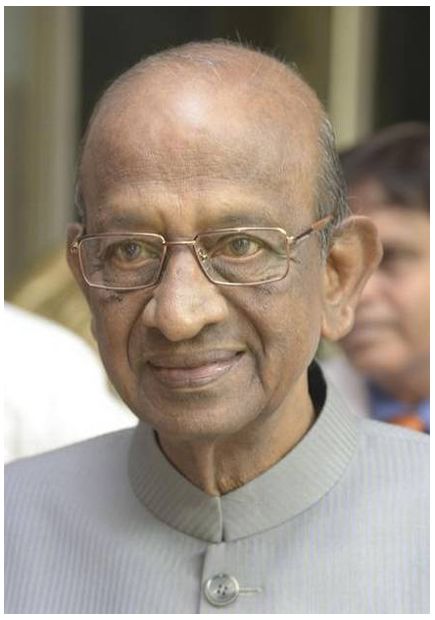
📷 Image: Wikimedia Commons / Sridhar Elangovan
Crime
Chhattisgarh HC Chief Justice Ramesh Sinha Urges Child‑Centric Restorative Juvenile Justice Reforms
✍️ Law Trend
🗓 30 Aug 2026, 08:04 PM
👁 58
Chief Justice Ramesh Sinha of the Chhattisgarh High Court called for a juvenile justice system that prioritises child‑centred, restorative and compassionate approaches.
Chief Justice Ramesh Sinha, speaking from the Chhattisgarh High Court, highlighted the need to reshape the state’s juvenile justice framework. He urged that the system treat children in conflict with the law as victims of circumstance, emphasizing rehabilitation over punitive measures.
The chief justice stressed that a child‑centric approach must incorporate restorative practices, allowing young offenders to repair harm and reintegrate into society. He noted that such reforms align with both national legislation and international conventions on child rights.
Sinha’s remarks come amid growing calls from legal experts and child‑rights advocates for a more compassionate handling of juvenile cases. The High Court is expected to consider procedural changes that embed these principles into future rulings.
While no specific legislative proposal was announced, the chief justice’s call signals a shift towards policies that balance accountability with the developmental needs of minors. Stakeholders are now watching for concrete steps from the state government and the judiciary.
The emphasis on restorative justice reflects a broader trend across Indian courts to move away from incarceration for young offenders, focusing instead on counseling, education and community‑based solutions.
The chief justice stressed that a child‑centric approach must incorporate restorative practices, allowing young offenders to repair harm and reintegrate into society. He noted that such reforms align with both national legislation and international conventions on child rights.
Sinha’s remarks come amid growing calls from legal experts and child‑rights advocates for a more compassionate handling of juvenile cases. The High Court is expected to consider procedural changes that embed these principles into future rulings.
While no specific legislative proposal was announced, the chief justice’s call signals a shift towards policies that balance accountability with the developmental needs of minors. Stakeholders are now watching for concrete steps from the state government and the judiciary.
The emphasis on restorative justice reflects a broader trend across Indian courts to move away from incarceration for young offenders, focusing instead on counseling, education and community‑based solutions.