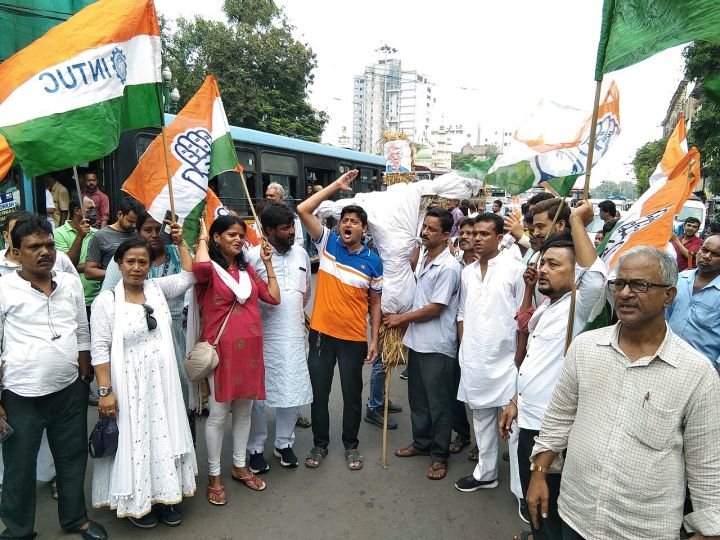
📷 Image: Wikimedia Commons / Biswarup Ganguly
Politics
BJP and Congress intensify outreach to Gen Z ahead of 2029 elections
✍️ Moneycontrol.com
🗓 22 Aug 2026, 10:12 AM
👁 30
Both the ruling BJP and opposition Congress are ramping up efforts to win over India’s Gen Z electorate as the 2029 general election approaches.
New Delhi – As the 2029 Lok Sabha poll draws nearer, India’s two largest parties, the Bharatiya Janata Party (BJP) and the Indian National Congress, have stepped up campaigns aimed at the country’s youngest voters. Party officials say Gen Z, those born after the mid‑1990s, represent a decisive demographic that could swing the outcome in closely contested constituencies.
The BJP is reportedly leveraging digital platforms, influencer collaborations and youth‑focused policy promises such as skill‑development schemes and affordable education. Parallelly, the Congress is rolling out its own outreach, emphasizing employment generation, climate action and social equity to resonate with the aspirations of young Indians.
Political analysts note that both parties view the Gen Z vote as a long‑term investment, given that many of these voters will participate in multiple election cycles before 2029. The intensified competition is expected to shape campaign narratives, candidate selection and issue prioritisation across the nation.
While concrete details of specific rallies or programmes remain limited, the emerging focus on youth engagement marks a shift from traditional mass‑media tactics to more interactive, online‑centric strategies. Observers will watch how effectively each party translates this outreach into actual voter support when the polls are finally held.
The race for Gen Z’s attention underscores the evolving dynamics of Indian electoral politics, where demographic change is becoming as pivotal as ideology in determining the next government.
The BJP is reportedly leveraging digital platforms, influencer collaborations and youth‑focused policy promises such as skill‑development schemes and affordable education. Parallelly, the Congress is rolling out its own outreach, emphasizing employment generation, climate action and social equity to resonate with the aspirations of young Indians.
Political analysts note that both parties view the Gen Z vote as a long‑term investment, given that many of these voters will participate in multiple election cycles before 2029. The intensified competition is expected to shape campaign narratives, candidate selection and issue prioritisation across the nation.
While concrete details of specific rallies or programmes remain limited, the emerging focus on youth engagement marks a shift from traditional mass‑media tactics to more interactive, online‑centric strategies. Observers will watch how effectively each party translates this outreach into actual voter support when the polls are finally held.
The race for Gen Z’s attention underscores the evolving dynamics of Indian electoral politics, where demographic change is becoming as pivotal as ideology in determining the next government.