
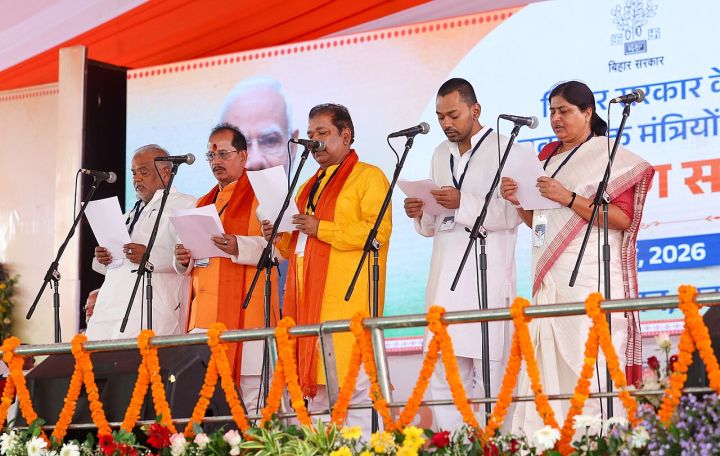
📷 Image: Wikimedia Commons / Prime Minister's Office
Sarkari Yojana
Bihar Cabinet Approves Green Hydrogen Policy for 2026
✍️ The Hindu
🗓 01 Oct 2026, 06:01 AM
👁 11
The Bihar state cabinet has approved a Green Hydrogen Policy slated for 2026, aiming to boost clean‑energy production in the state.
Patna, Oct 1 (The Hindu) – The Bihar cabinet gave formal approval to the Bihar Green Hydrogen Policy, scheduled for implementation in 2026. The decision was taken during a cabinet meeting chaired by the chief minister, signalling the state's commitment to renewable energy diversification.
The policy outlines a framework to develop green hydrogen production using renewable power sources such as solar and wind. It seeks to create a conducive environment for private and public investors, offering incentives, streamlined clearances and potential subsidies for projects that generate hydrogen without carbon emissions.
State officials said the initiative aligns with India’s national climate targets and the push for a hydrogen economy. By fostering a domestic green hydrogen ecosystem, Bihar aims to reduce its reliance on fossil fuels, generate skilled jobs and position itself as a regional hub for clean‑energy exports.
Implementation is expected to roll out in phases, beginning with pilot projects in districts with high renewable‑energy potential. The cabinet will monitor progress through a dedicated task force and report outcomes to the state legislature annually.
The policy outlines a framework to develop green hydrogen production using renewable power sources such as solar and wind. It seeks to create a conducive environment for private and public investors, offering incentives, streamlined clearances and potential subsidies for projects that generate hydrogen without carbon emissions.
State officials said the initiative aligns with India’s national climate targets and the push for a hydrogen economy. By fostering a domestic green hydrogen ecosystem, Bihar aims to reduce its reliance on fossil fuels, generate skilled jobs and position itself as a regional hub for clean‑energy exports.
Implementation is expected to roll out in phases, beginning with pilot projects in districts with high renewable‑energy potential. The cabinet will monitor progress through a dedicated task force and report outcomes to the state legislature annually.