
📷 Image: Wikimedia Commons / Elena Baladelli (according to Exif data)
Defence
Army airlifts donor kidney from Rohtak to Chandimandir, saving soldier's life
✍️ The New Indian Express
🗓 19 Sep 2026, 06:46 AM
👁 13
The Indian Army transported a donor kidney from Rohtak, Haryana, to the Army Hospital at Chandimandir, enabling a life‑saving transplant for a serving soldier.
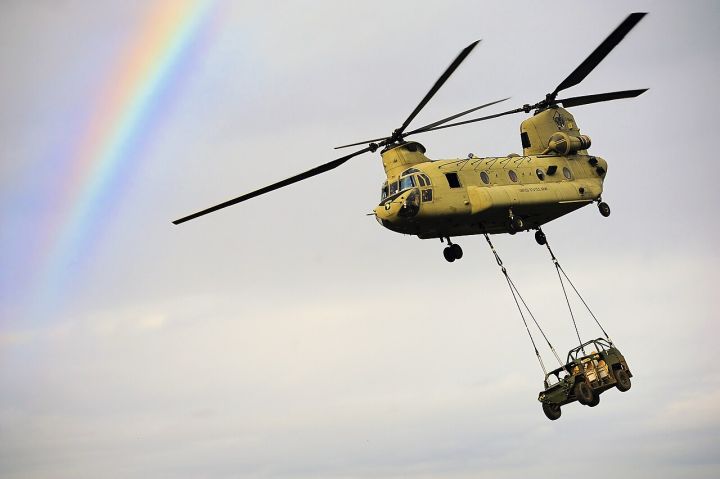
New Delhi – In a coordinated medical operation, the Indian Army used an air‑lift to move a donor kidney from a hospital in Rohtak, Haryana, to the Army Hospital at Chandimandir. The organ was retrieved from a voluntary donor and flown in a military helicopter under strict medical protocols.
The kidney arrived at Chandimandir’s transplant unit, where surgeons performed an urgent transplant on a serving soldier who had been awaiting a compatible organ. Medical officials said the timely delivery was critical to the success of the surgery and the soldier’s recovery.
The operation highlights the army’s capability to mobilise specialised medical logistics quickly, ensuring that life‑saving treatments reach personnel stationed across the country. Defence spokespersons reiterated that such missions are part of the armed forces’ broader commitment to the health and welfare of its troops.
No injuries or complications were reported, and the soldier is now under post‑operative care. The successful transplant underscores the synergy between civilian medical facilities and military health services in emergency scenarios.
The kidney arrived at Chandimandir’s transplant unit, where surgeons performed an urgent transplant on a serving soldier who had been awaiting a compatible organ. Medical officials said the timely delivery was critical to the success of the surgery and the soldier’s recovery.
The operation highlights the army’s capability to mobilise specialised medical logistics quickly, ensuring that life‑saving treatments reach personnel stationed across the country. Defence spokespersons reiterated that such missions are part of the armed forces’ broader commitment to the health and welfare of its troops.
No injuries or complications were reported, and the soldier is now under post‑operative care. The successful transplant underscores the synergy between civilian medical facilities and military health services in emergency scenarios.