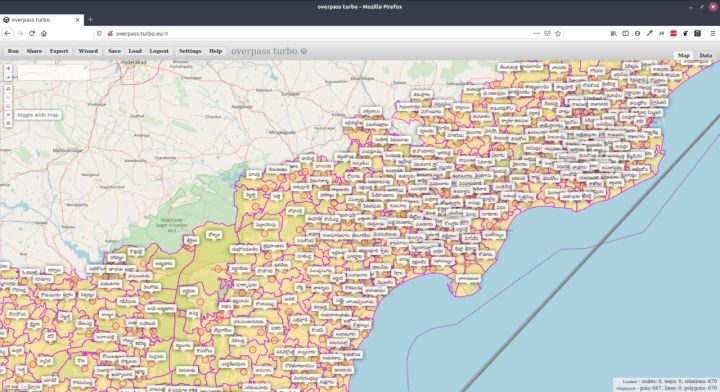
📷 Image: Wikimedia Commons / Arjunaraoc
Politics
Andhra Pradesh rolls out new social media influencer policy
✍️ The South First
🗓 25 Sep 2026, 02:37 AM
👁 10
The Andhra Pradesh government announced a fresh set of rules governing social media influencers, mirroring earlier approaches but under a different administration.
The state government of Andhra Pradesh issued a comprehensive policy aimed at regulating social media influencers on platforms such as Instagram, YouTube and TikTok. The notification, released on Thursday, outlines a registration framework and content standards that influencers must adhere to while operating within the state.
Key provisions require any individual or entity with more than 10,000 followers to register with the state’s Information Technology department, disclose sponsored content, and avoid material that could incite communal tension or spread misinformation. Non‑compliance may attract fines up to INR 50,000 or temporary suspension of online accounts.
Officials said the move seeks to protect the public from unchecked propaganda and to ensure transparency in digital advertising. While the policy echoes guidelines introduced by the previous government, officials emphasized that the current administration has refined enforcement mechanisms and introduced a dedicated grievance cell.
Industry observers note that the policy could set a precedent for other Indian states, prompting a broader debate on the balance between free expression and regulatory oversight in the digital age.
Key provisions require any individual or entity with more than 10,000 followers to register with the state’s Information Technology department, disclose sponsored content, and avoid material that could incite communal tension or spread misinformation. Non‑compliance may attract fines up to INR 50,000 or temporary suspension of online accounts.
Officials said the move seeks to protect the public from unchecked propaganda and to ensure transparency in digital advertising. While the policy echoes guidelines introduced by the previous government, officials emphasized that the current administration has refined enforcement mechanisms and introduced a dedicated grievance cell.
Industry observers note that the policy could set a precedent for other Indian states, prompting a broader debate on the balance between free expression and regulatory oversight in the digital age.