
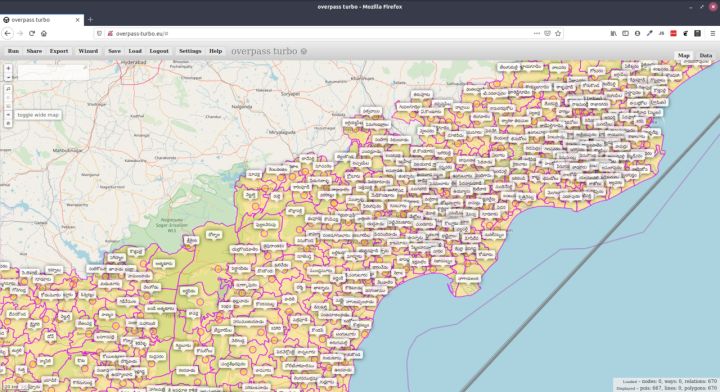
📷 Image: Wikimedia Commons / Arjunaraoc
Health
Andhra Pradesh Ends Sterilisation Incentives, Prioritises Birth Promotion
✍️ The Times of India
🗓 24 Sep 2026, 06:32 AM
👁 11
The Andhra Pradesh government has withdrawn financial incentives for sterilisation procedures and announced a shift in policy to encourage higher birth rates.
The state government of Andhra Pradesh announced today that it will discontinue all monetary incentives previously offered for sterilisation procedures. The decision, taken by the health department, marks a clear departure from the long‑standing family‑planning incentives that had been in place for several years.
Officials said the new focus will be on measures that support and encourage families to have more children, aiming to address concerns about a declining birth rate in the state. The policy shift is presented as part of a broader demographic strategy to balance population growth with economic development.
The health ministry indicated that resources previously allocated to sterilisation incentives will be redirected toward programs that promote maternal and child health, including prenatal care and early childhood services. The change is expected to reshape the state's family‑planning outreach and counseling activities.
While the move signals a reversal of earlier incentives, the government affirmed its commitment to voluntary family planning and will continue to provide information and services, but without financial rewards for sterilisation.
Analysts suggest that the policy could influence reproductive choices in rural and urban areas alike, as the state seeks to create an environment conducive to higher birth rates while maintaining health standards.
Officials said the new focus will be on measures that support and encourage families to have more children, aiming to address concerns about a declining birth rate in the state. The policy shift is presented as part of a broader demographic strategy to balance population growth with economic development.
The health ministry indicated that resources previously allocated to sterilisation incentives will be redirected toward programs that promote maternal and child health, including prenatal care and early childhood services. The change is expected to reshape the state's family‑planning outreach and counseling activities.
While the move signals a reversal of earlier incentives, the government affirmed its commitment to voluntary family planning and will continue to provide information and services, but without financial rewards for sterilisation.
Analysts suggest that the policy could influence reproductive choices in rural and urban areas alike, as the state seeks to create an environment conducive to higher birth rates while maintaining health standards.