
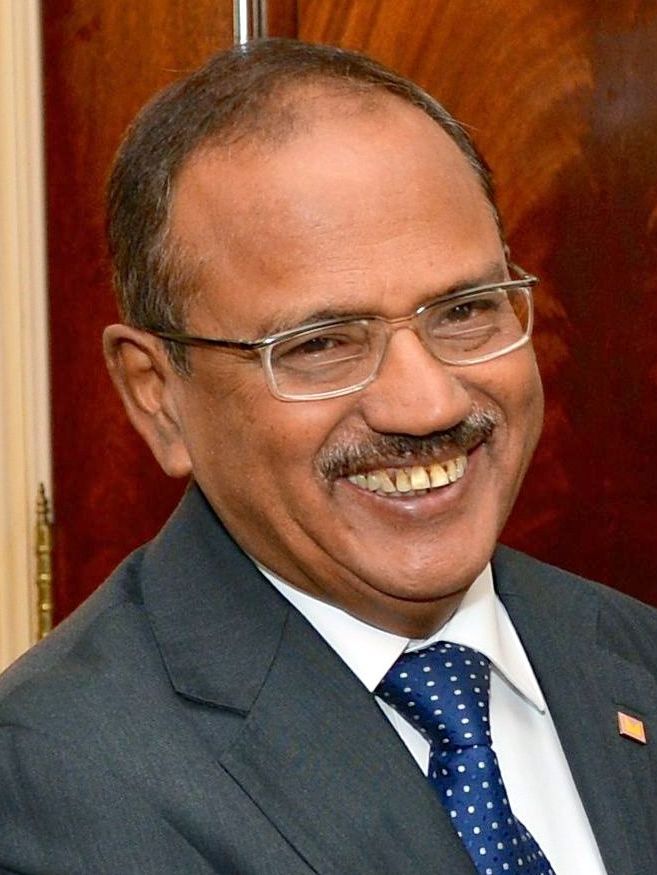
📷 Image: Wikimedia Commons / U.S. Department of State from United States
International
Ajit Doval in Beijing for Crucial India-China Talks on Arunachal Dispute
✍️ India Today
🗓 25 Aug 2026, 12:38 PM
👁 58
India’s National Security Adviser Ajit Doval has arrived in Beijing to hold high‑level talks with Chinese officials, focusing on the simmering border dispute in Arunachal Pradesh.
National Security Adviser Ajit Doval landed in Beijing on Monday, marking the start of a series of diplomatic engagements aimed at defusing rising tensions along the India‑China frontier. Doval is scheduled to meet senior Chinese officials, including representatives from the Ministry of Foreign Affairs and the Ministry of National Defense, to discuss ways to manage the dispute over Arunachal Pradesh.
The talks come against a backdrop of recent stand‑offs and troop deployments in the contested region, where both nations claim overlapping sovereignty. New satellite imagery and statements from the Indian army have highlighted increased Chinese activity near the McMahon Line, prompting New Delhi to seek a diplomatic channel to prevent escalation.
Sources in New Delhi’s Ministry of External Affairs said the agenda will focus on confidence‑building measures, clarification of the Line of Actual Control, and mechanisms to avoid accidental clashes. Both sides are expected to reiterate their commitment to the 1993 and 1996 agreements that govern border management, while leaving room for future negotiations on the status of Arunachal.
Analysts note that Doval’s presence underscores the strategic importance India places on a peaceful resolution, as the two nuclear‑armed neighbours navigate a complex mix of cooperation and competition across trade, security, and regional influence.
The talks come against a backdrop of recent stand‑offs and troop deployments in the contested region, where both nations claim overlapping sovereignty. New satellite imagery and statements from the Indian army have highlighted increased Chinese activity near the McMahon Line, prompting New Delhi to seek a diplomatic channel to prevent escalation.
Sources in New Delhi’s Ministry of External Affairs said the agenda will focus on confidence‑building measures, clarification of the Line of Actual Control, and mechanisms to avoid accidental clashes. Both sides are expected to reiterate their commitment to the 1993 and 1996 agreements that govern border management, while leaving room for future negotiations on the status of Arunachal.
Analysts note that Doval’s presence underscores the strategic importance India places on a peaceful resolution, as the two nuclear‑armed neighbours navigate a complex mix of cooperation and competition across trade, security, and regional influence.