
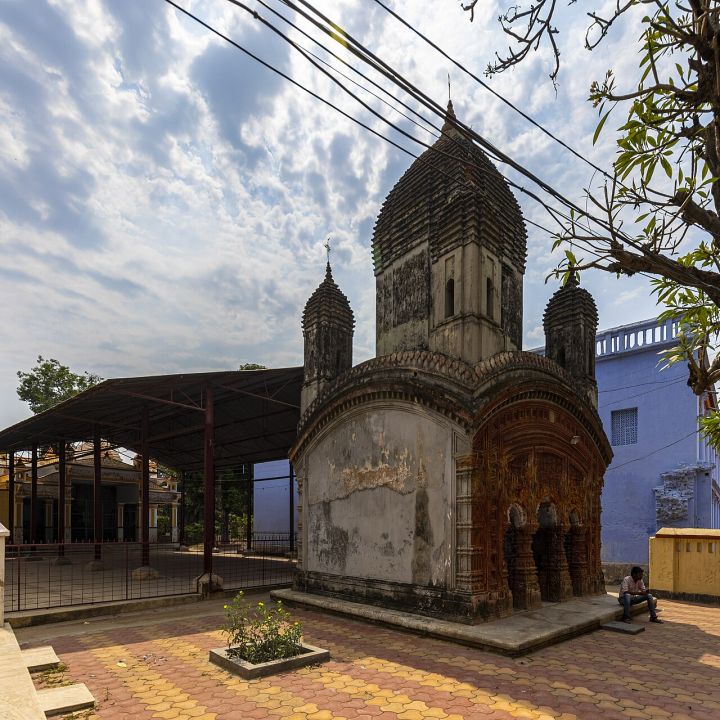
📷 Image: Wikimedia Commons / DeepanjanGhosh
Religion
65-year-old Jabalpur resident performs his own pinddaan with wife at Gaya's Janardan Temple
✍️ Amar Ujala · Gaya
🗓 08 Oct 2026, 08:15 AM
👁 15
During Pitru Paksha, 65-year-old Sukhram Kevat from Jabalpur, Madhya Pradesh, and his wife Chamarri Bai offered their own pinddaan at the Janardan Temple in Gaya, Bihar.
Gaya, Bihar – In a personal ritual observed during the auspicious Pitru Paksha period, senior citizen Sukhram Kevat, 65, traveled from Jabalpur, Madhya Pradesh, to the Janardan Temple in Gaya. Accompanied by his wife, Chamarri Bai, the couple performed the pinddaan ceremony for themselves, a practice traditionally meant for honoring deceased ancestors.
The pinddaan, a Hindu rite of offering food and prayers to the departed souls, was conducted at the temple’s sacred precincts. By offering their own pind, the elderly couple sought spiritual solace and fulfillment of religious duties before the end of the lunar fortnight.
Local temple authorities confirmed the ceremony was carried out in accordance with customary rites, noting that such self‑pinddaan, though uncommon, is permissible when individuals wish to ensure their own rites are completed personally. The event drew a modest gathering of onlookers who observed the solemn proceedings.
The act underscores the deep-rooted belief in performing last rites to attain peace for the soul, reflecting the cultural importance of Pitru Paksha across India.
The pinddaan, a Hindu rite of offering food and prayers to the departed souls, was conducted at the temple’s sacred precincts. By offering their own pind, the elderly couple sought spiritual solace and fulfillment of religious duties before the end of the lunar fortnight.
Local temple authorities confirmed the ceremony was carried out in accordance with customary rites, noting that such self‑pinddaan, though uncommon, is permissible when individuals wish to ensure their own rites are completed personally. The event drew a modest gathering of onlookers who observed the solemn proceedings.
The act underscores the deep-rooted belief in performing last rites to attain peace for the soul, reflecting the cultural importance of Pitru Paksha across India.