
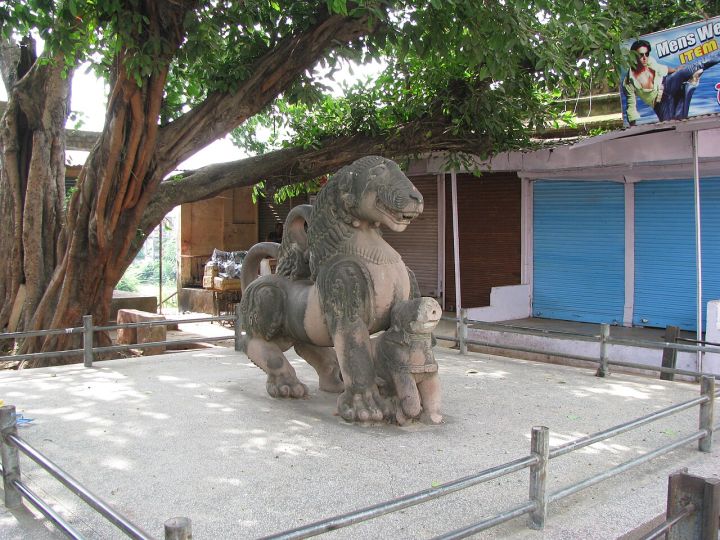
📷 Image: Wikimedia Commons / Absar Ahmad Alig
Religion
400‑year‑old ‘Patthar Ka Khel’ ritual alive in Himachal’s Dhami village
✍️ The Times of India
🗓 10 Nov 2026, 11:16 AM
👁 9
In Dhami, a remote Himachal village, residents continue the 400‑year‑old Patthar Ka Khel, a ritual that involves blood offerings and stone‑throwing, preserving a centuries‑old tradition.
Dhami, a small settlement tucked in the hills of Himachal Pradesh, has kept a 400‑year‑old tradition alive that locals call Patthar Ka Khel. The ceremony, performed annually, requires participants to offer a drop of blood and then hurl stones at a designated spot, a practice believed to appease ancestral spirits and protect the village.
The ritual dates back to the early 17th century, when it is said to have originated as a communal rite to mark the end of the monsoon season. Elders in the village oversee the proceedings, ensuring that the rites are carried out exactly as handed down through generations.
While the spectacle of flying stones draws curiosity from nearby towns, the villagers stress that the event is a solemn act of cultural continuity rather than a display for outsiders. Authorities have not intervened, recognizing the practice as part of the region’s intangible heritage.
The community hopes that documenting the ritual will encourage younger members to value and sustain their ancestral customs amid rapid modernization.