
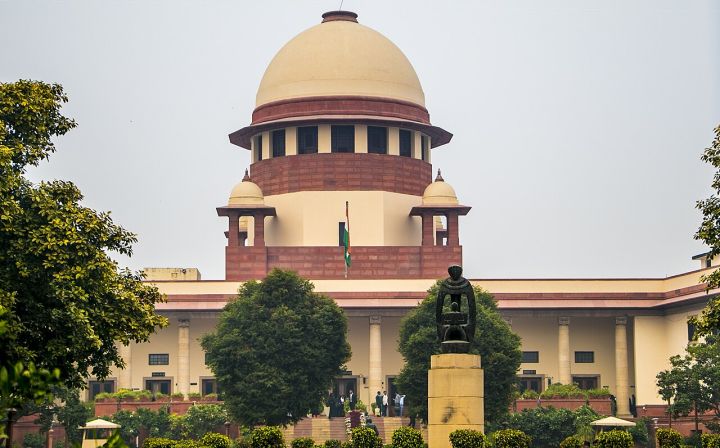
📷 Image: Wikimedia Commons / Subhashish Panigrahi
National
Media Association Urges Supreme Court to Reject Law‑and‑Order Claims Blocking Journalists
✍️ India Today
🗓 22 Nov 2026, 01:16 AM
👁 19
A leading media body has filed a petition in the Supreme Court, arguing that law‑and‑order concerns cannot be used as a blanket justification to impede journalists’ work.
A prominent media association has approached the Supreme Court of India, seeking a directive that law‑and‑order arguments should not be employed as a blanket excuse to hinder journalists in the field. The petition contends that such justifications undermine the constitutional guarantee of freedom of the press and set a dangerous precedent for future reporting.
The filing cites several recent instances where police and local authorities have cited public safety or law‑and‑order considerations to deny media access to protest sites, accident scenes, and courtrooms. The association argues that these actions constitute indirect censorship and violate the rights of both journalists and the public to receive information.
In its submission, the media body urges the apex court to issue clear guidelines that balance genuine security concerns with the essential role of the press in a democracy. It also requests that any future restrictions be subject to judicial review rather than being applied arbitrarily.
Legal experts note that the Supreme Court’s response could shape the operational landscape for newsrooms across the country, potentially reinforcing safeguards for reporters while still allowing authorities to address legitimate safety threats.