
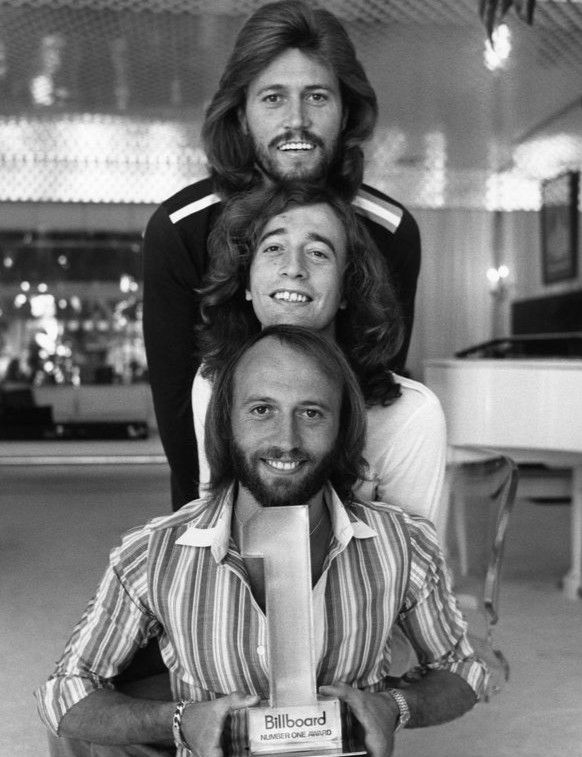
📷 Image: Wikimedia Commons / NBC Television
Entertainment
Bee Gees' 1979 Hit 'Too Much Heaven' Continues Funding Child Charities
✍️ The Times of India
🗓 25 Oct 2026, 03:35 AM
👁 49
The 1979 Bee Gees classic 'Too Much Heaven' still earns royalties that are donated to children's charities, according to The Times of India.
The Bee Gees' 1979 single "Too Much Heaven" remains a source of income more than four decades after its release. According to a report by The Times of India, the song’s publishing royalties are earmarked for charitable projects that support children.
Each time the track is streamed, broadcast or sold, a portion of the earnings is directed to a fund that finances initiatives for under‑privileged youngsters. The arrangement was set up by the song’s rights holders, who chose to allocate the proceeds to child‑focused charities rather than retain them as private income.
Industry observers note that such legacy royalties are rare but highlight the enduring financial impact a popular song can have when linked to philanthropy. The continued flow of money from "Too Much Heaven" underscores the Bee Gees' lasting cultural footprint and the potential of music royalties to contribute to social causes.
While exact figures have not been disclosed, the ongoing contributions are described as a steady source of support for programs that improve education, health and welfare for children in need.