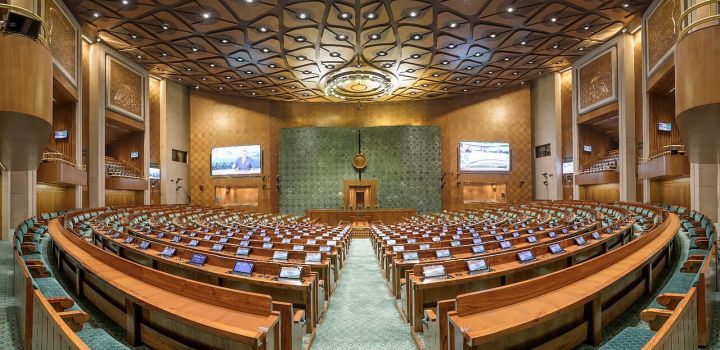
📷 Image: Wikimedia Commons / Ministry of Parliamentary Affairs
Politics
India's 2026 Delimitation Bill Proposes New Seat Allocation for Lok Sabha and State Assemblies
✍️ Jagran Josh
🗓 29 Nov 2026, 05:32 PM
👁 20
The second draft of the 2026 Delimitation Bill outlines changes to the distribution of Lok Sabha and state assembly seats, aiming to reflect population shifts, gender balance and caste representation.
The second draft of the 2026 Delimitation Bill has been released by the government, detailing proposed changes to the allocation of seats in the Lok Sabha and state legislative assemblies. The bill seeks to adjust the number of constituencies in each state based on the latest census data, ensuring that representation keeps pace with demographic shifts.
Key provisions of the draft include a revised formula for seat distribution that incorporates gender parity and caste representation. The proposal aims to increase the number of seats reserved for women and Scheduled Castes and Tribes, thereby enhancing inclusivity in the electoral process.
States across the country are expected to experience changes in their assembly constituencies, with some gaining additional seats while others may see a reduction. The adjustments are designed to balance population density and demographic composition, potentially altering the political landscape in several regions.
The bill is currently under parliamentary review, with the next stage involving detailed debates and possible amendments before it can be enacted into law. Stakeholders and political parties are closely monitoring the proceedings to assess the impact on future elections.