
📷 Image: Wikimedia Commons / Government of India
Entertainment
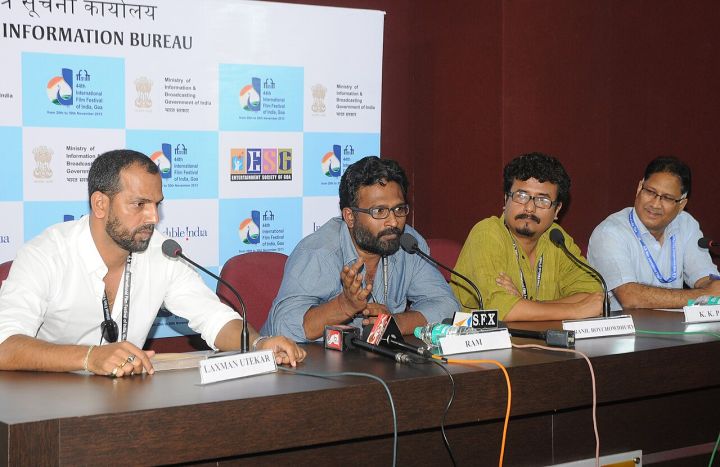
Filmmaker Laxman Utekar Criticises ‘Eetha’ for Overlooking Lavani Icon Vithabai
✍️ The Indian Express
🗓 31 Oct 2026, 02:12 AM
👁 42
Director Laxman Utekar has publicly accused the project ‘Eetha’ of failing to pay tribute to celebrated Lavani legend Vithabai.
Veteran filmmaker Laxman Utekar voiced strong displeasure on Thursday, saying that the upcoming production titled “Eetha” does not honour the memory of Vithabai, the legendary Lavani performer revered across Maharashtra. Utekar’s remarks were recorded in an interview with The Indian Express, where he highlighted the cultural significance of Vithabai’s contributions to folk dance and music.
Vithabai’s name is synonymous with the golden era of Lavani, a vibrant Marathi folk form that blends song, dance, and social commentary. Her repertoire and stage presence have inspired generations of artists, and her legacy is often invoked in discussions about preserving regional art forms.
Utekar argued that any contemporary work drawing on Marathi cultural motifs should acknowledge pioneers like Vithabai, warning that overlooking such icons could erode public appreciation for traditional arts. As of now, representatives of the “Eetha” team have not responded to the criticism.
The comment adds to a broader debate within the Indian entertainment industry about the responsibility of creators to credit historical figures when adapting cultural narratives. Observers note that the issue may prompt further dialogue on how modern productions can balance creative freedom with cultural reverence.